Winter Landscapes from the Aiguille du Midi: Photographing the Mont Blanc Valley
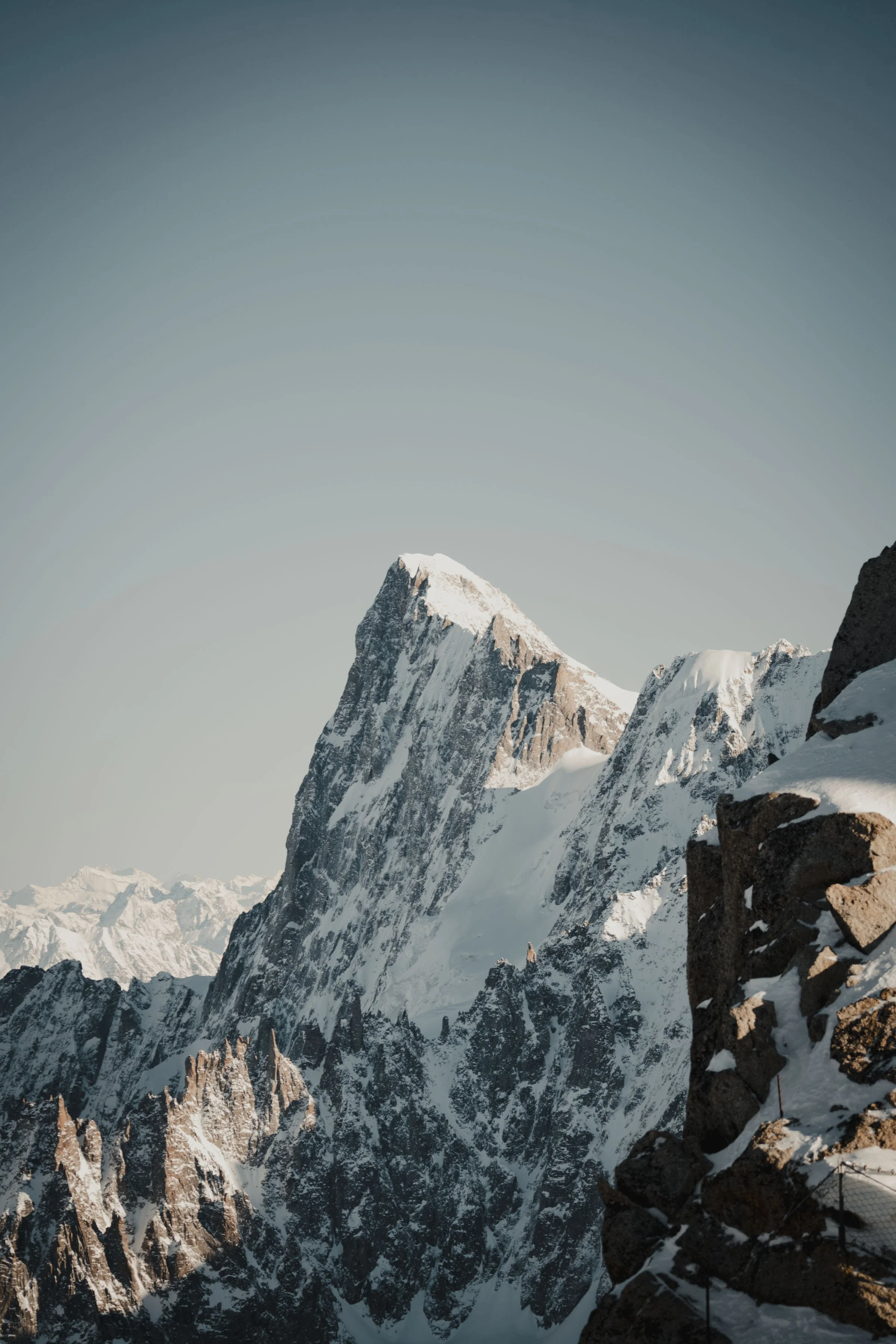
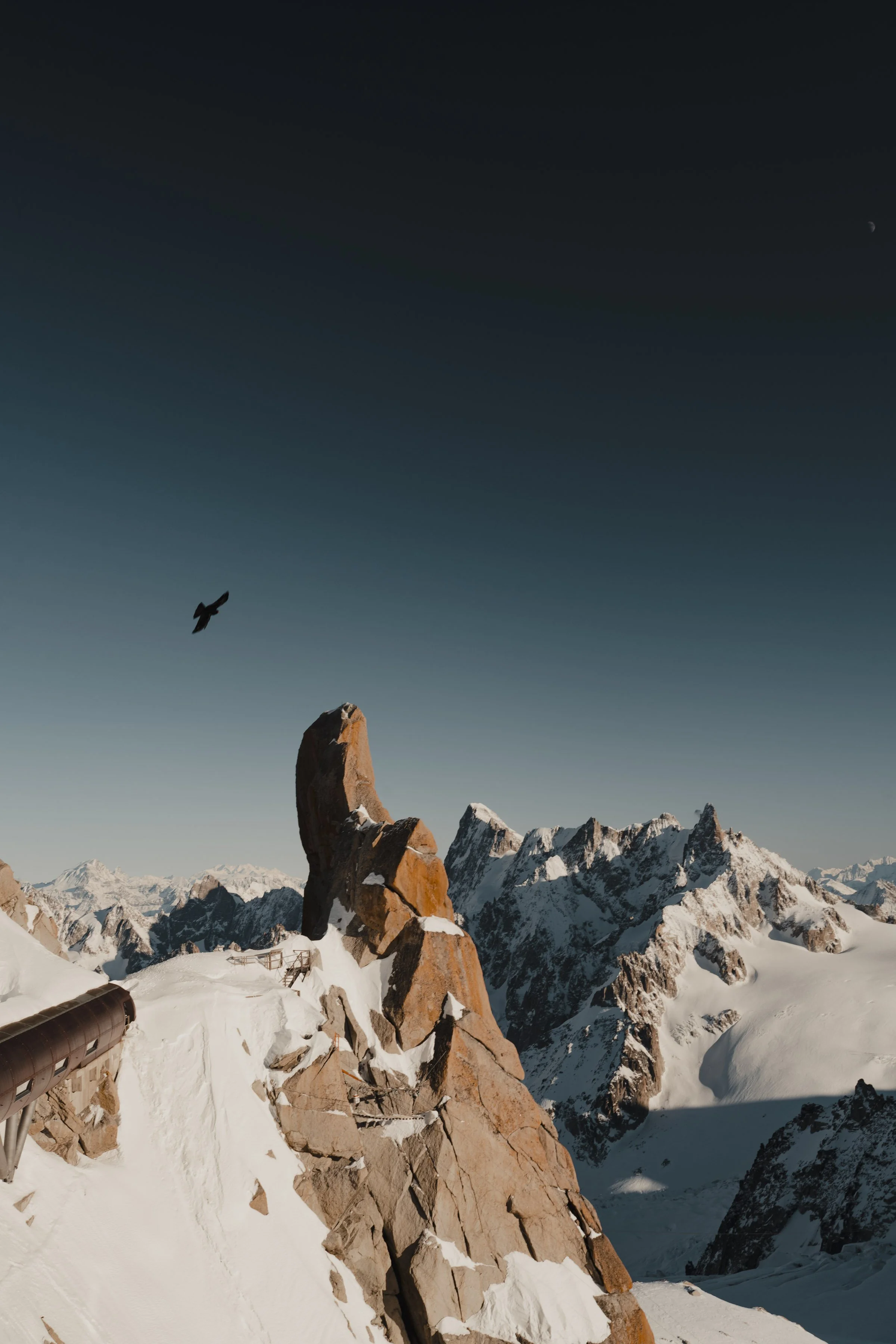
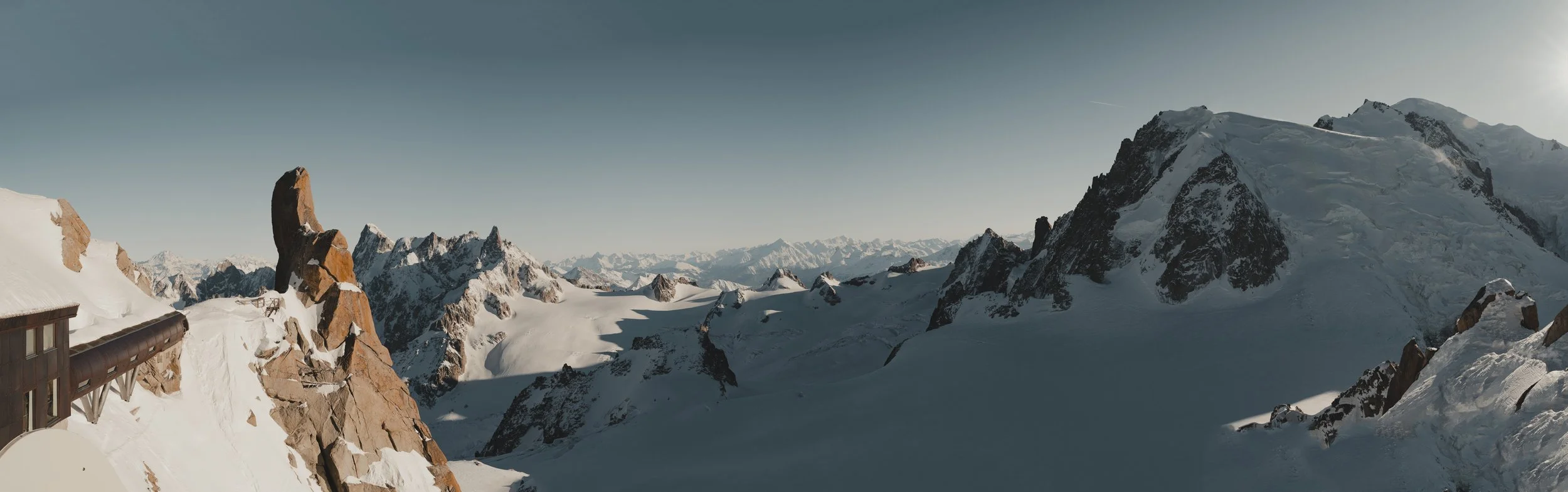
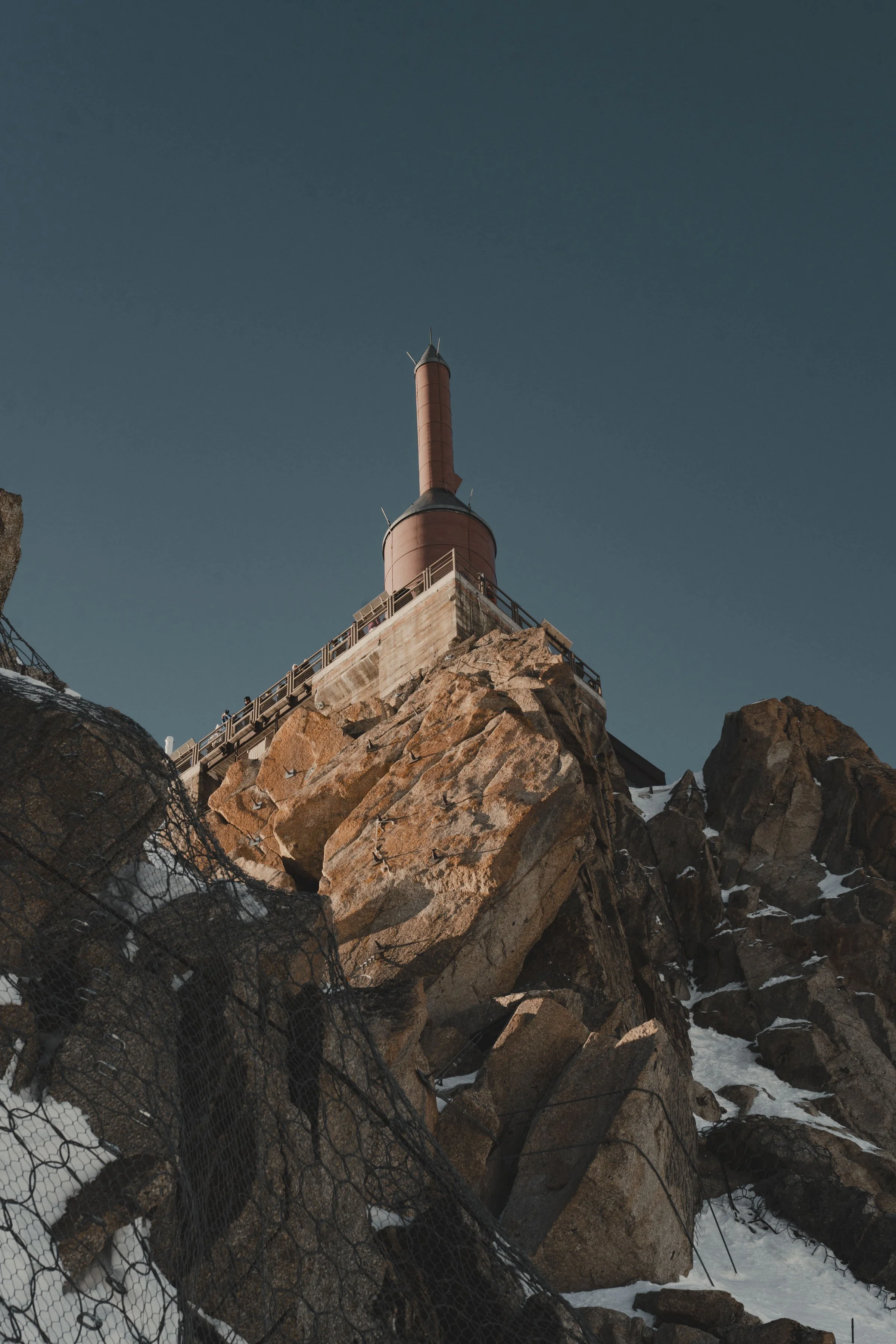
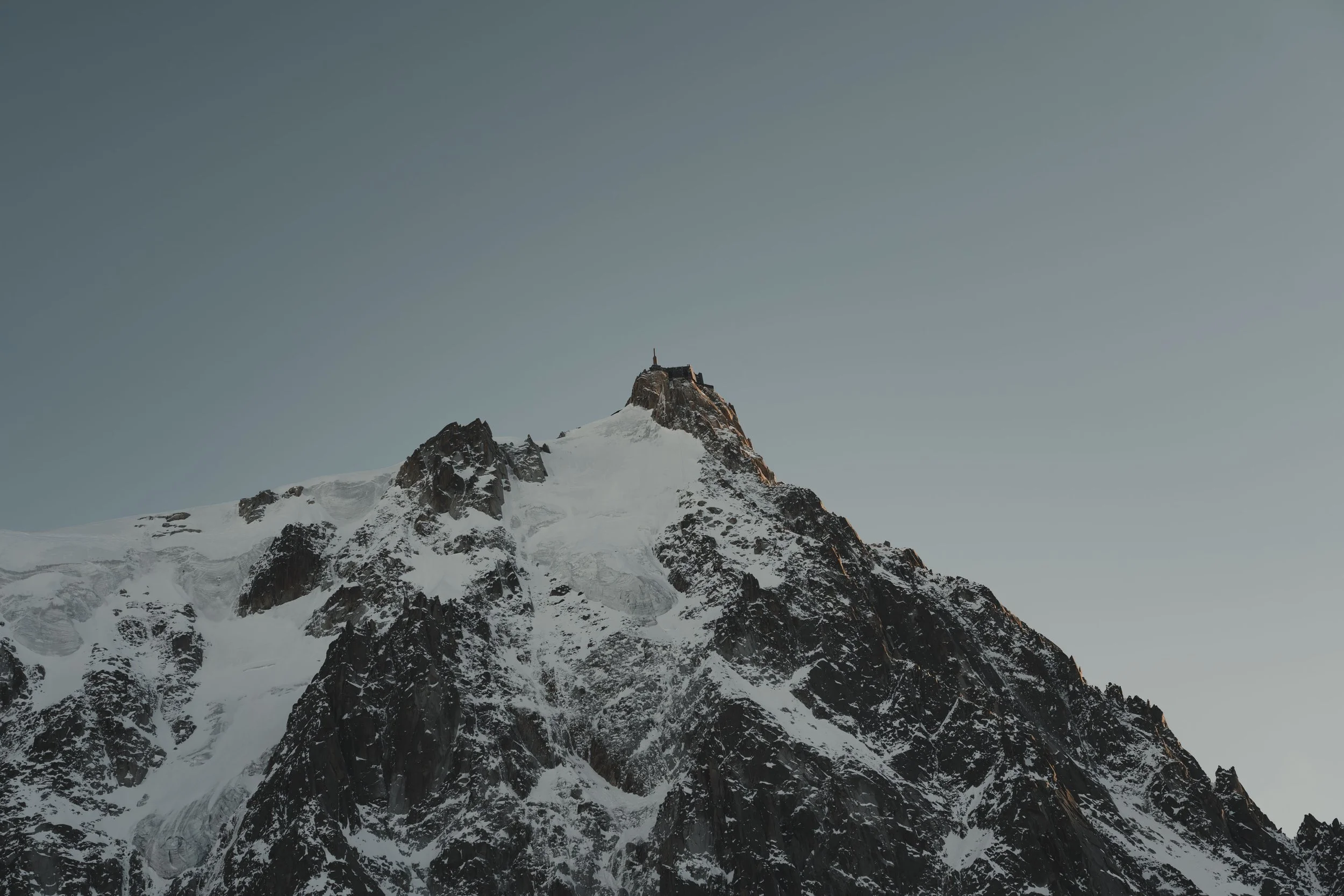
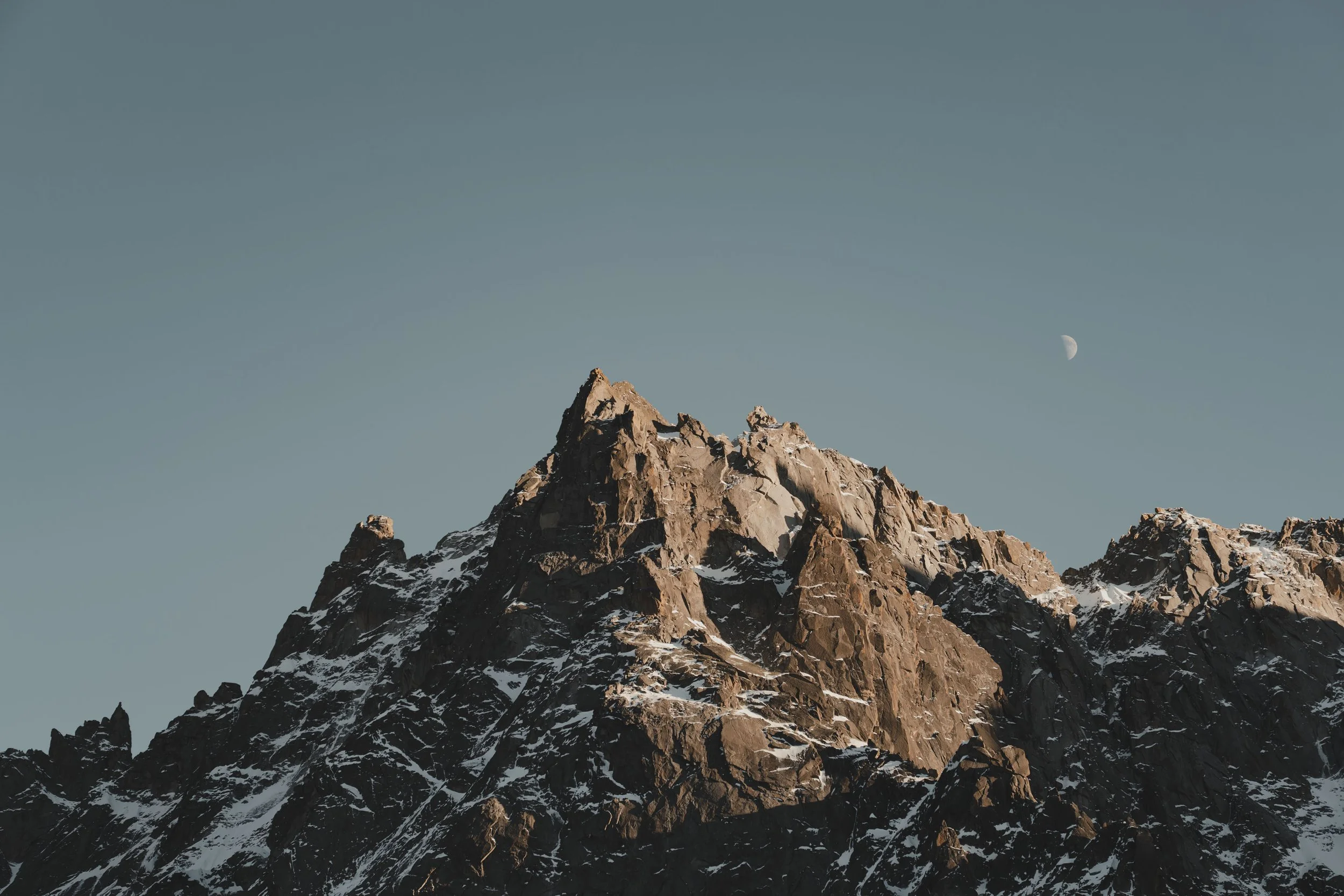
The Aiguille du Midi is visible from almost anywhere in the Mont Blanc Valley. On a cold December day, I ventured to the summit to photograph this iconic peak and the surrounding Mont Blanc valley.
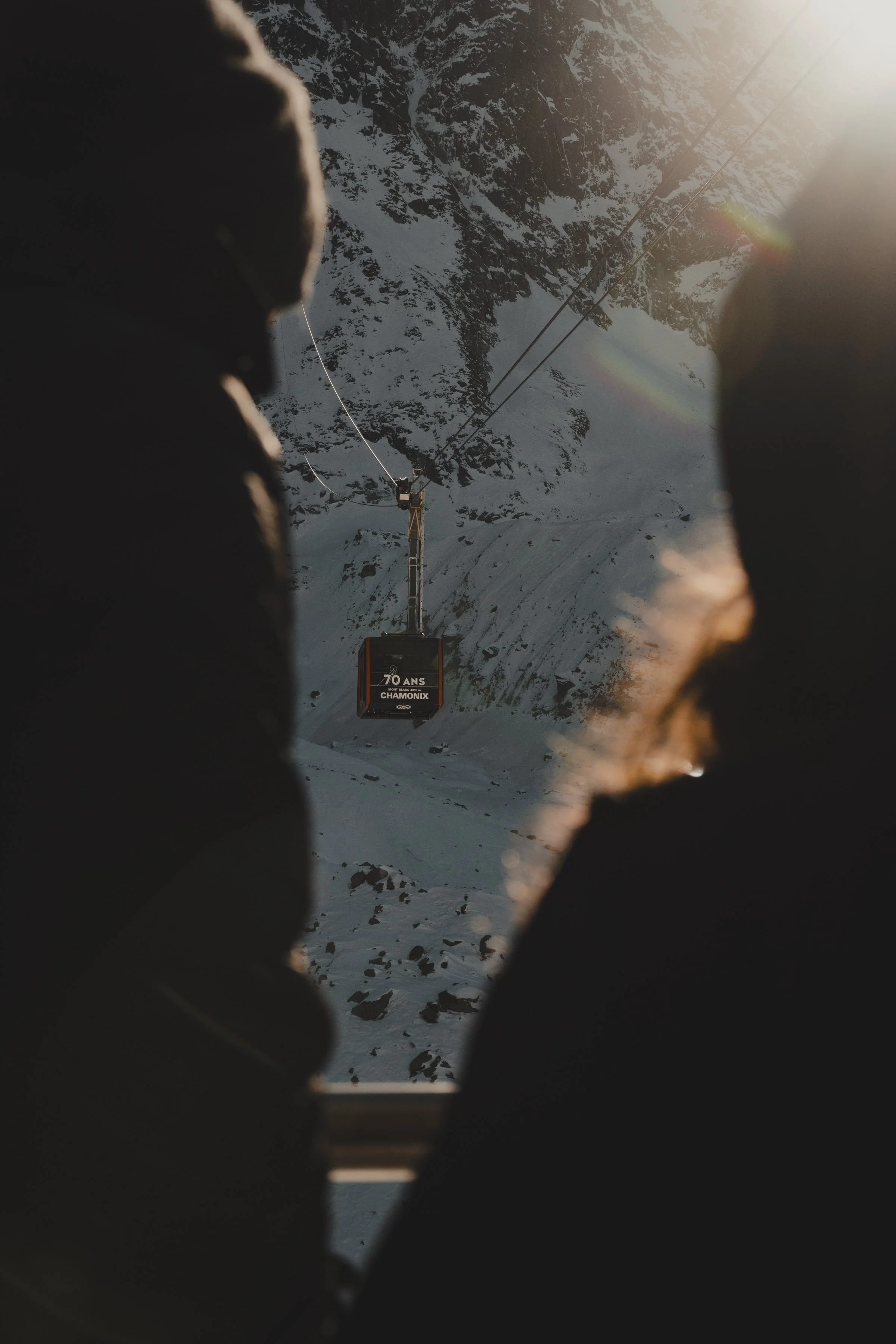
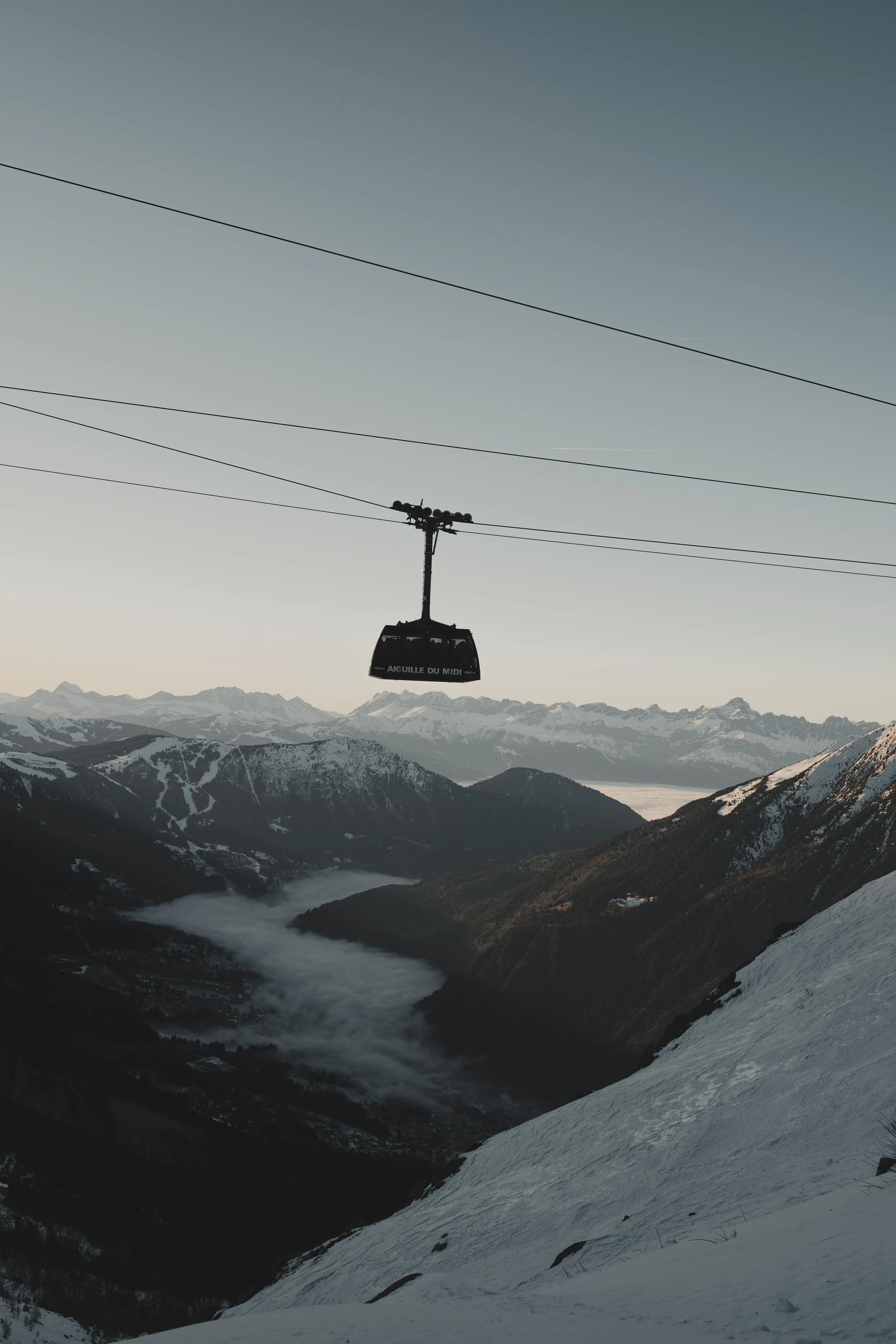
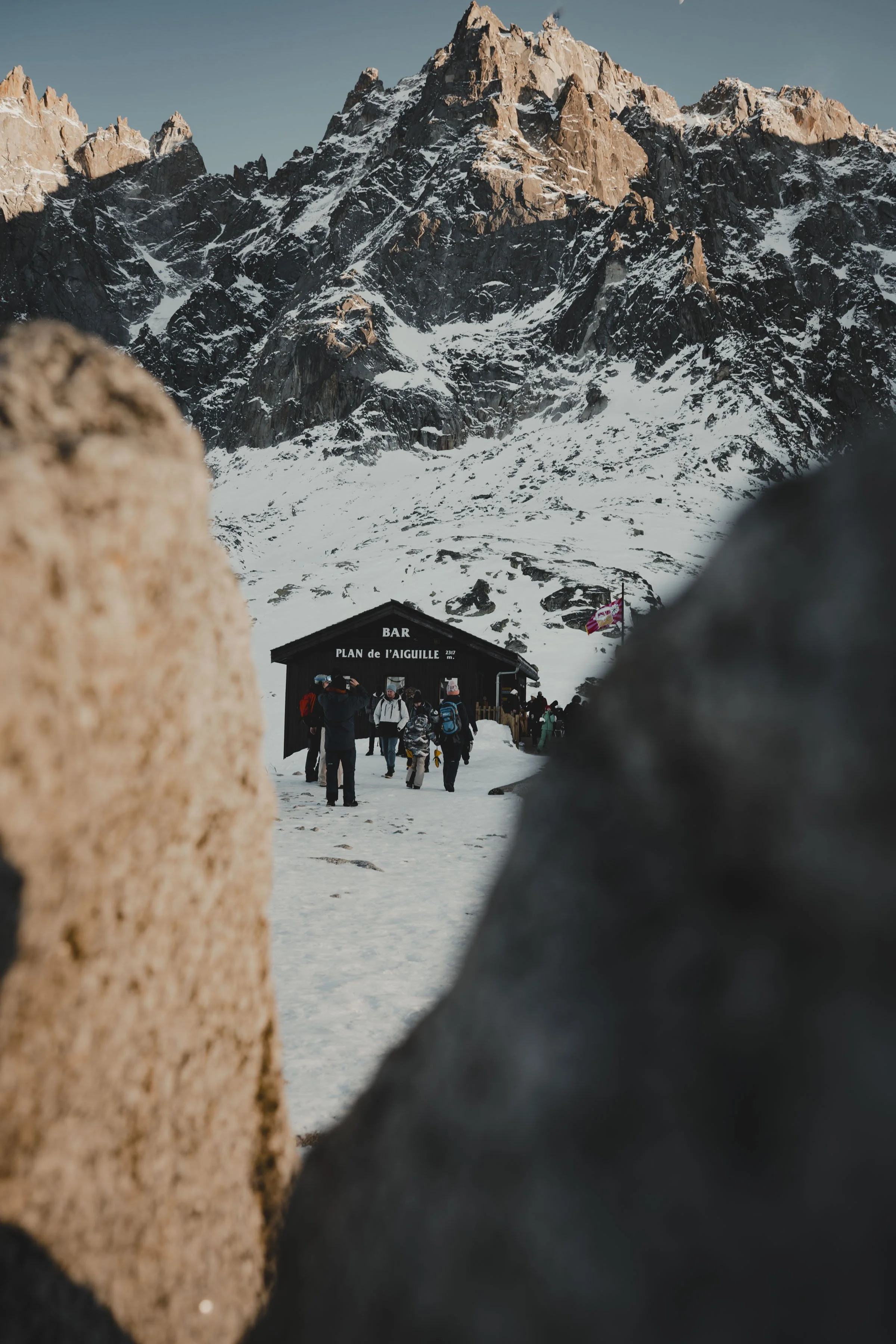
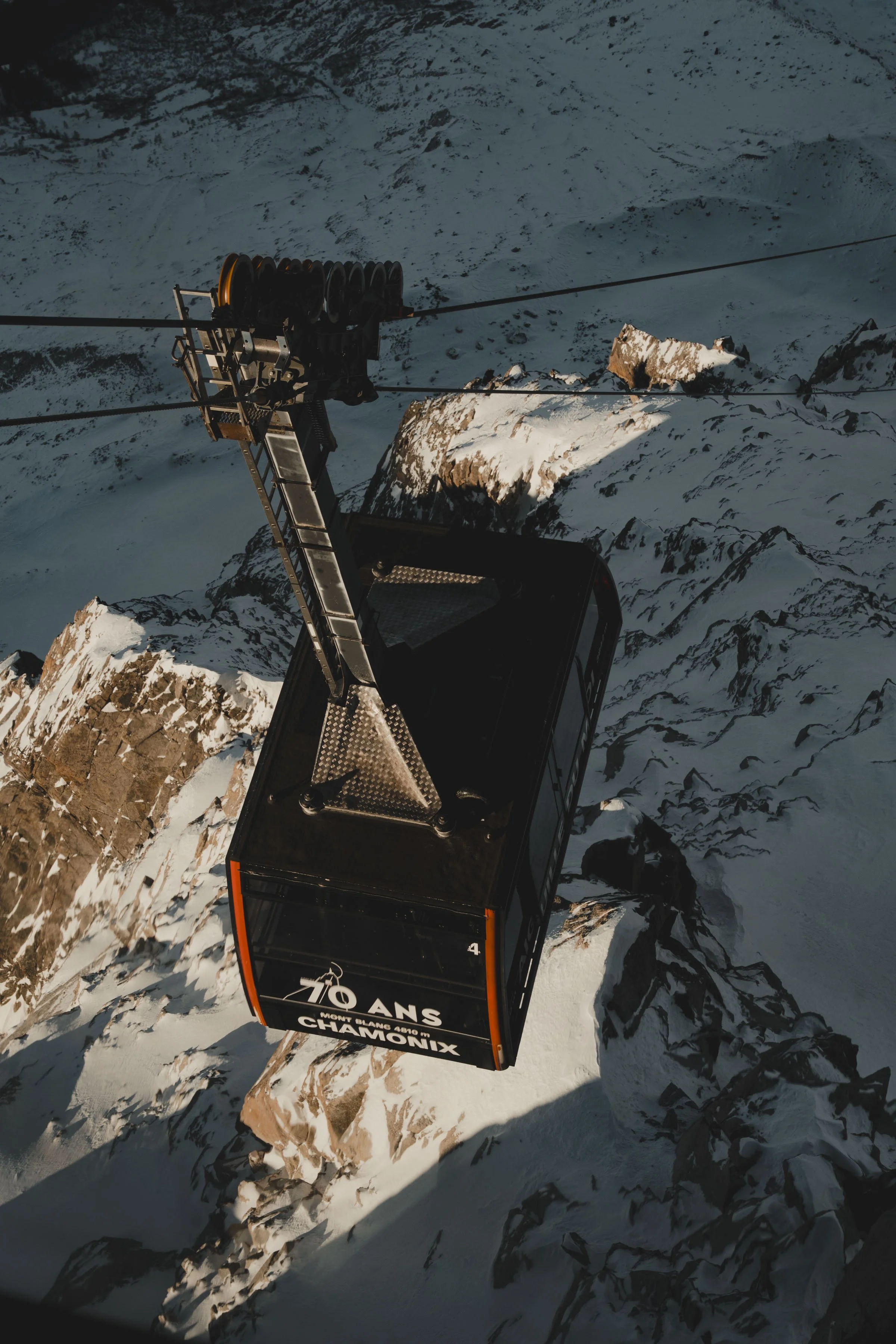
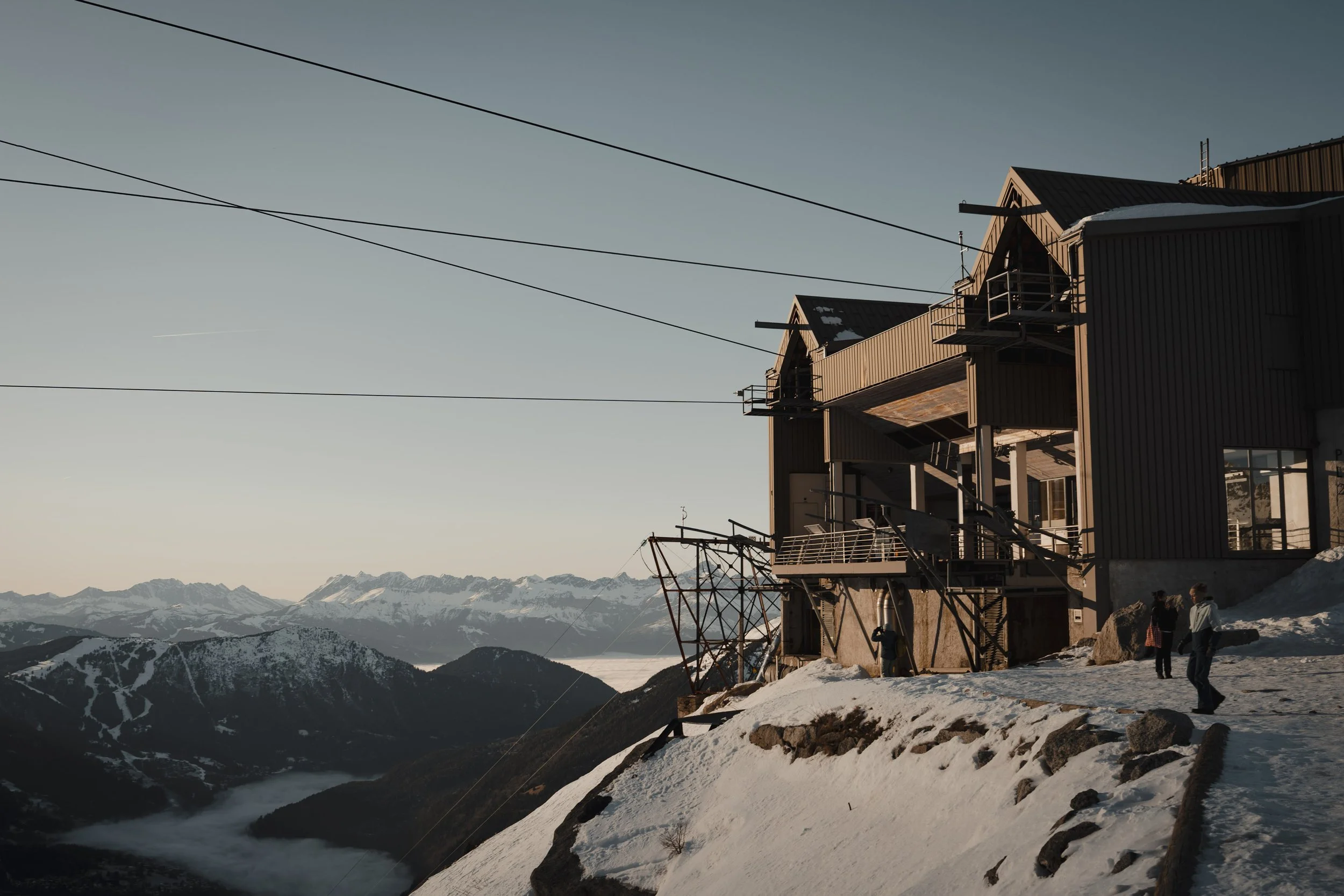
To reach it the Aiguille du Midi, take the cable car from Chamonix to the first stop at Plan de l’Aiguille (2,317m), the mid-station. Then continue on a second cable car to the Aiguille du Midi summit (3,842m), next to Mont Blanc, the highest mountain in Europe.
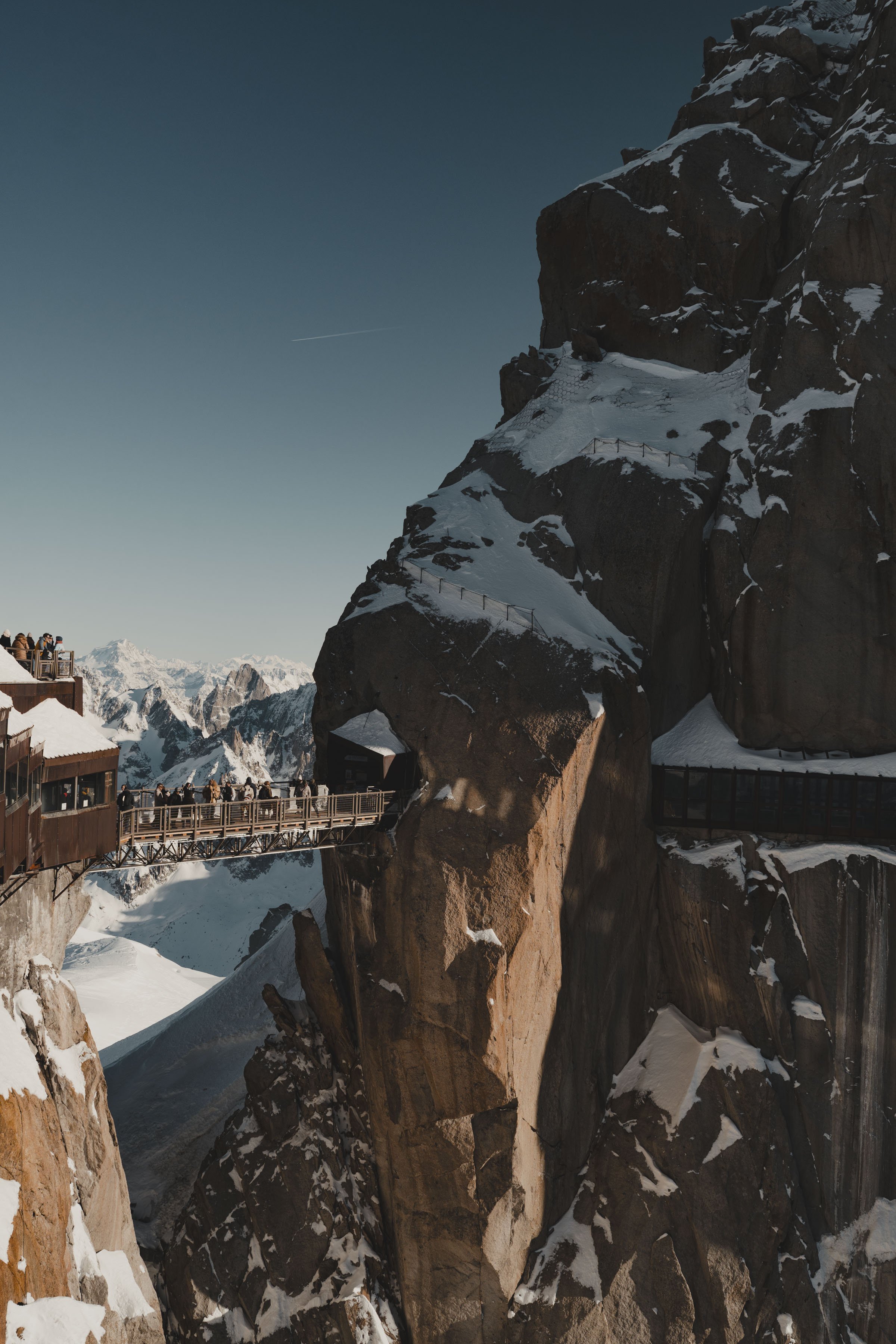
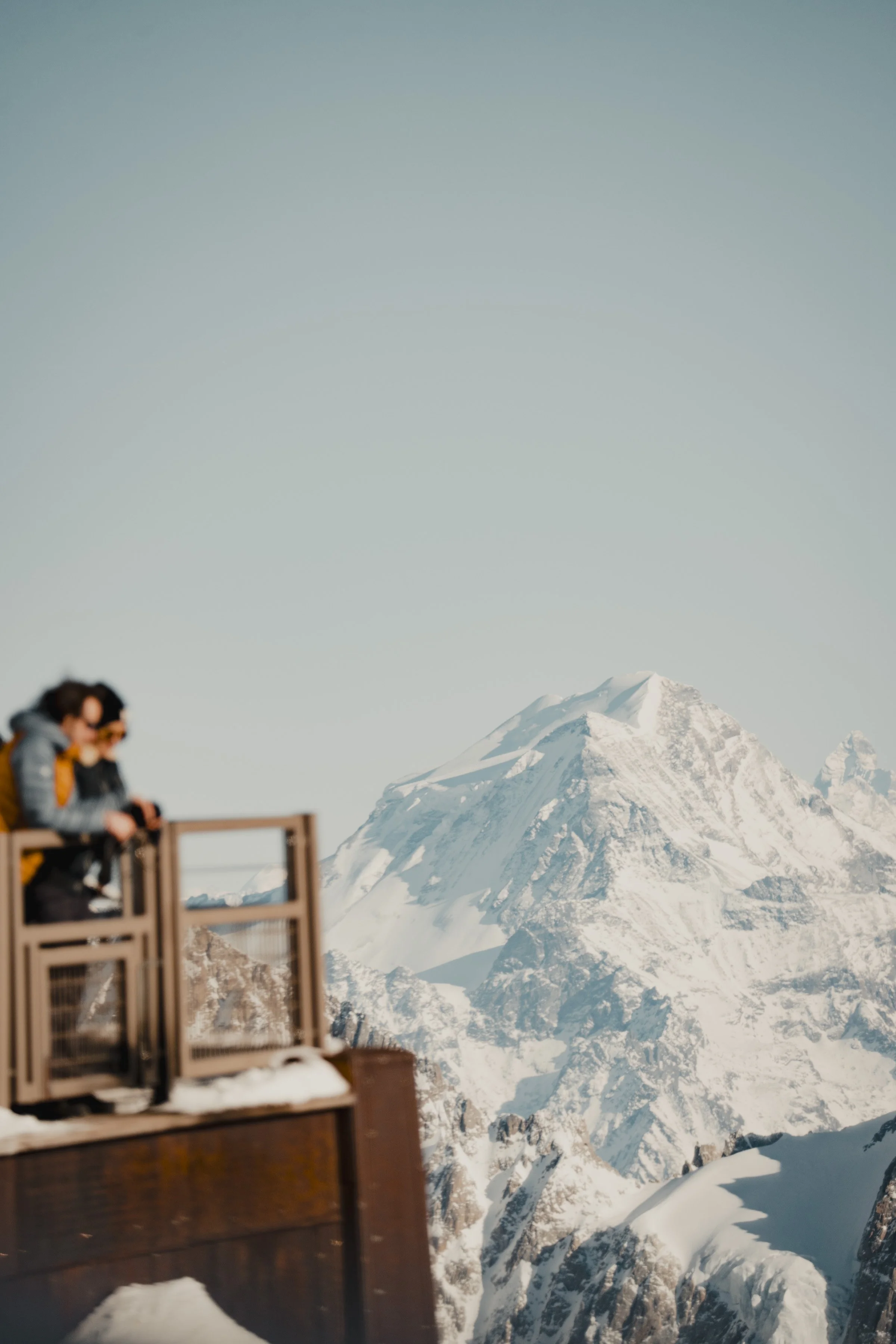
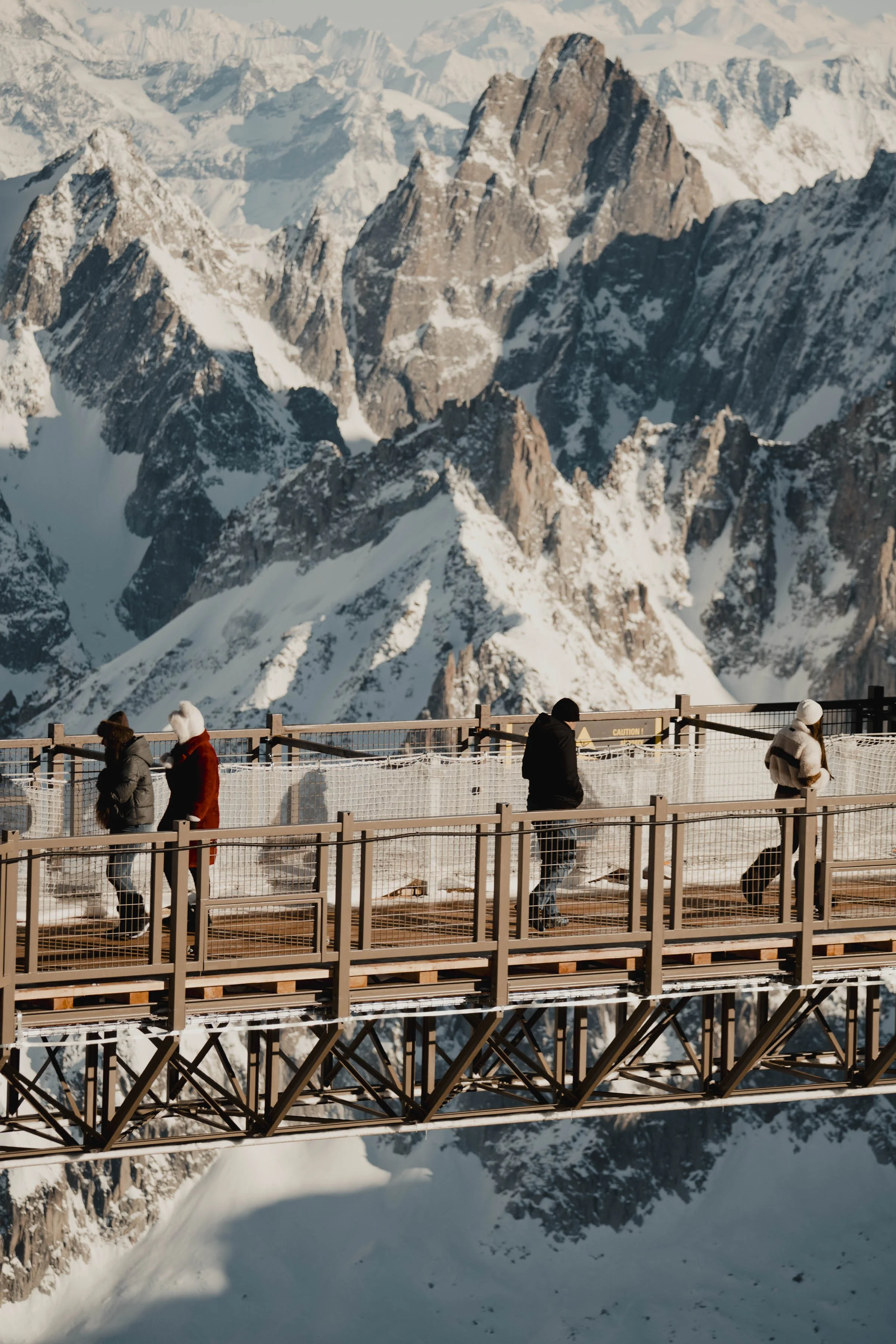
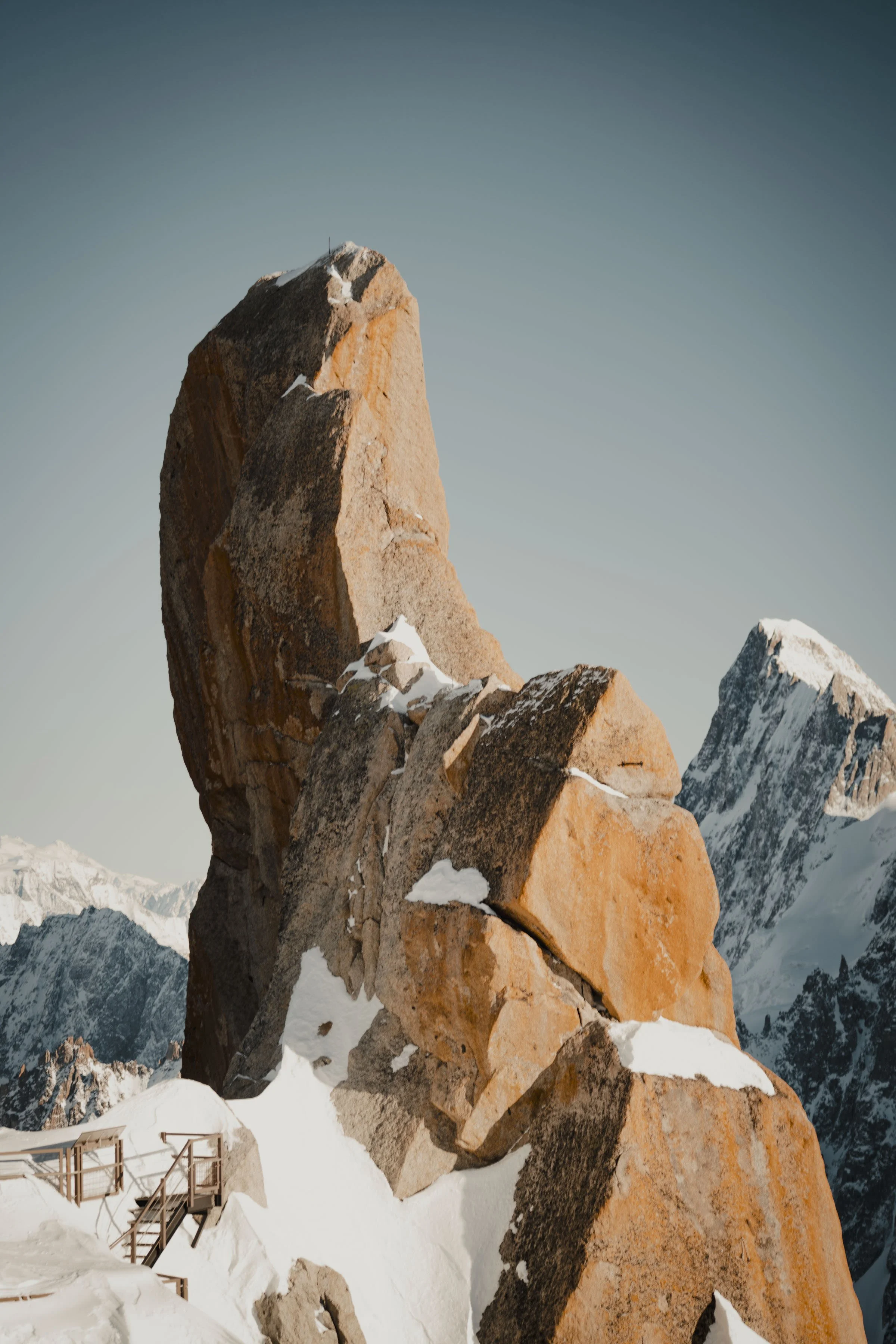
At the summit, the Aiguille du Midi unfolds as a complex maze of tunnels, stairways, and platforms linking multiple viewpoints, each offering sweeping 360-degree panoramas of the Mont Blanc valley.
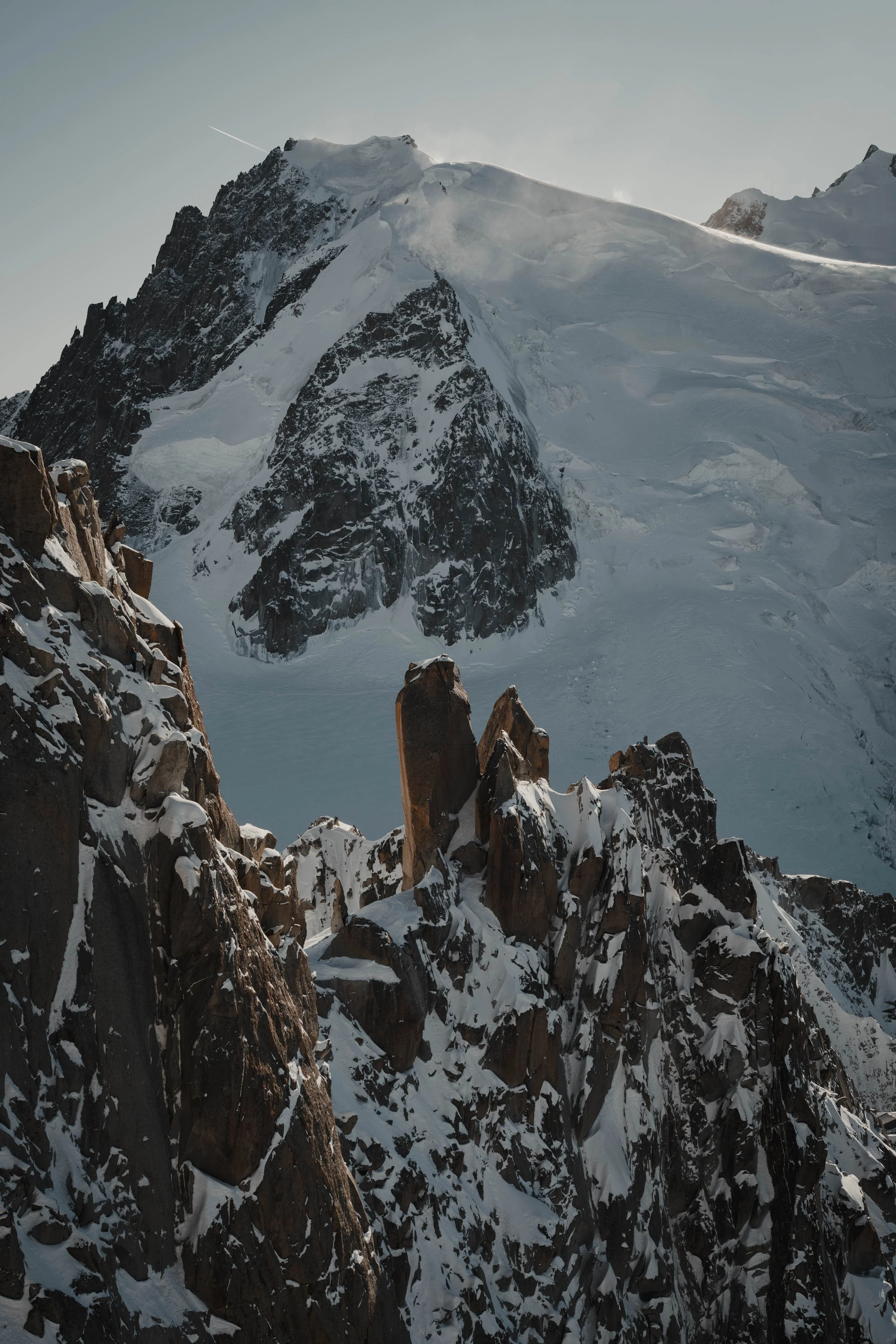
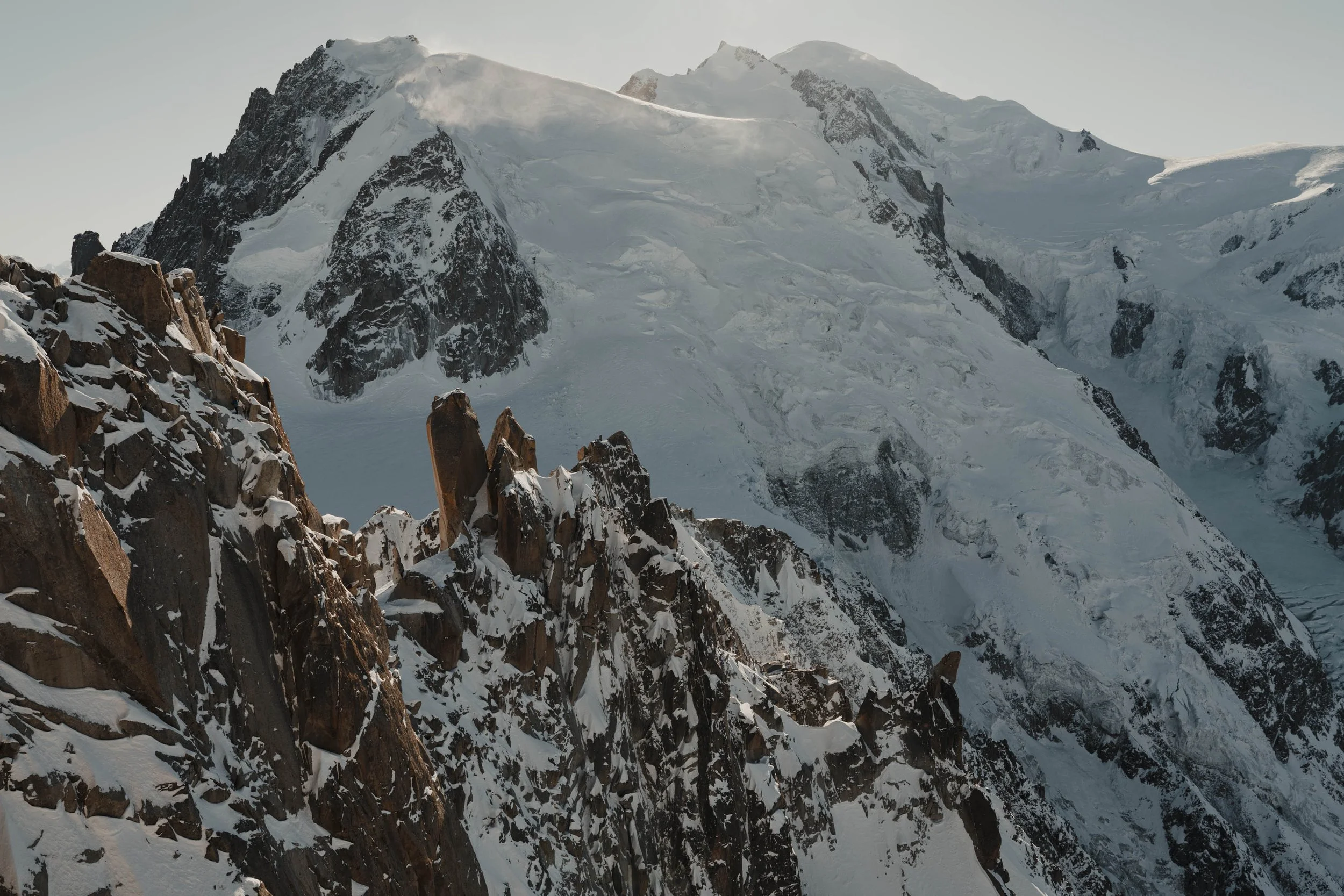
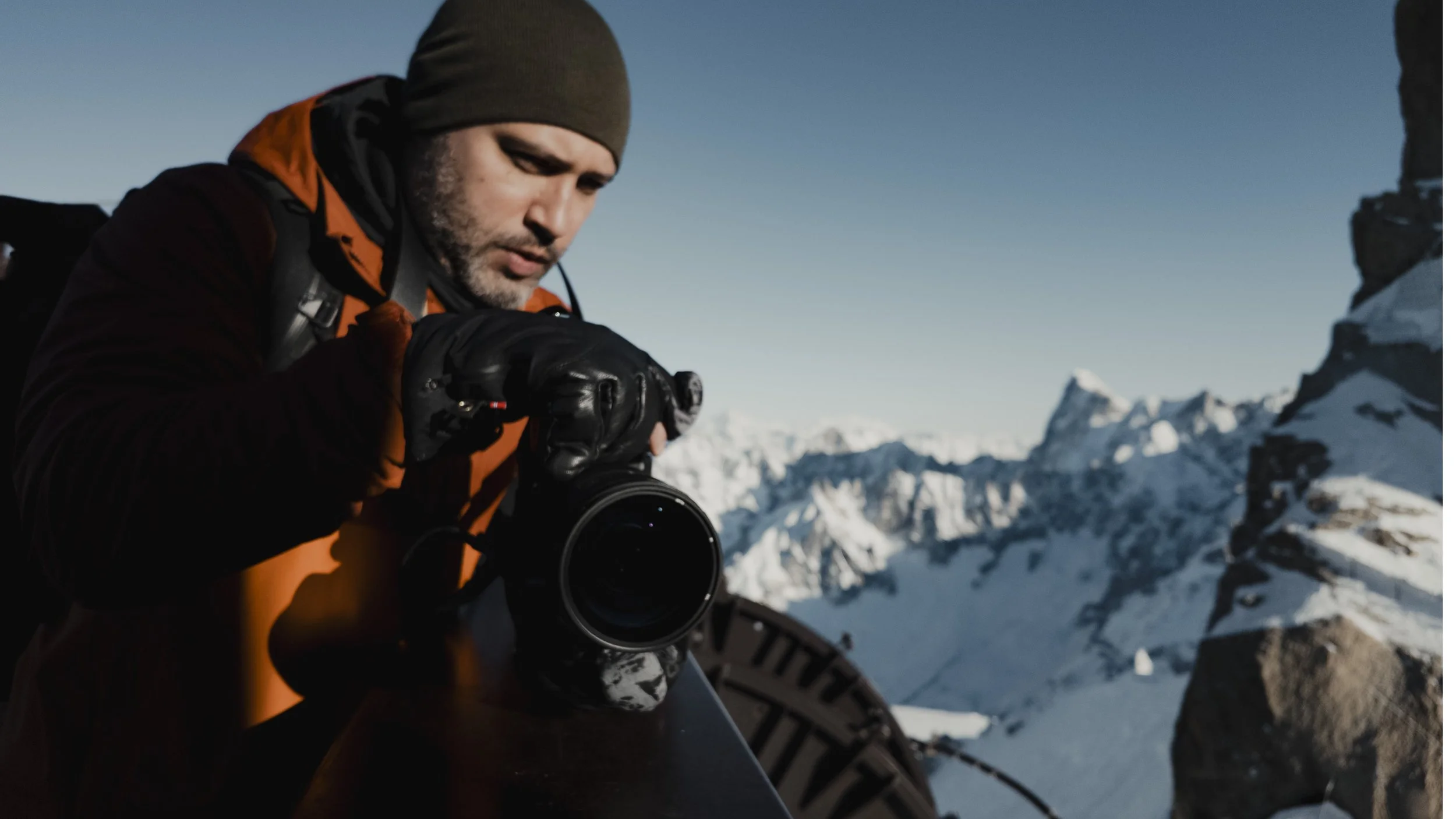
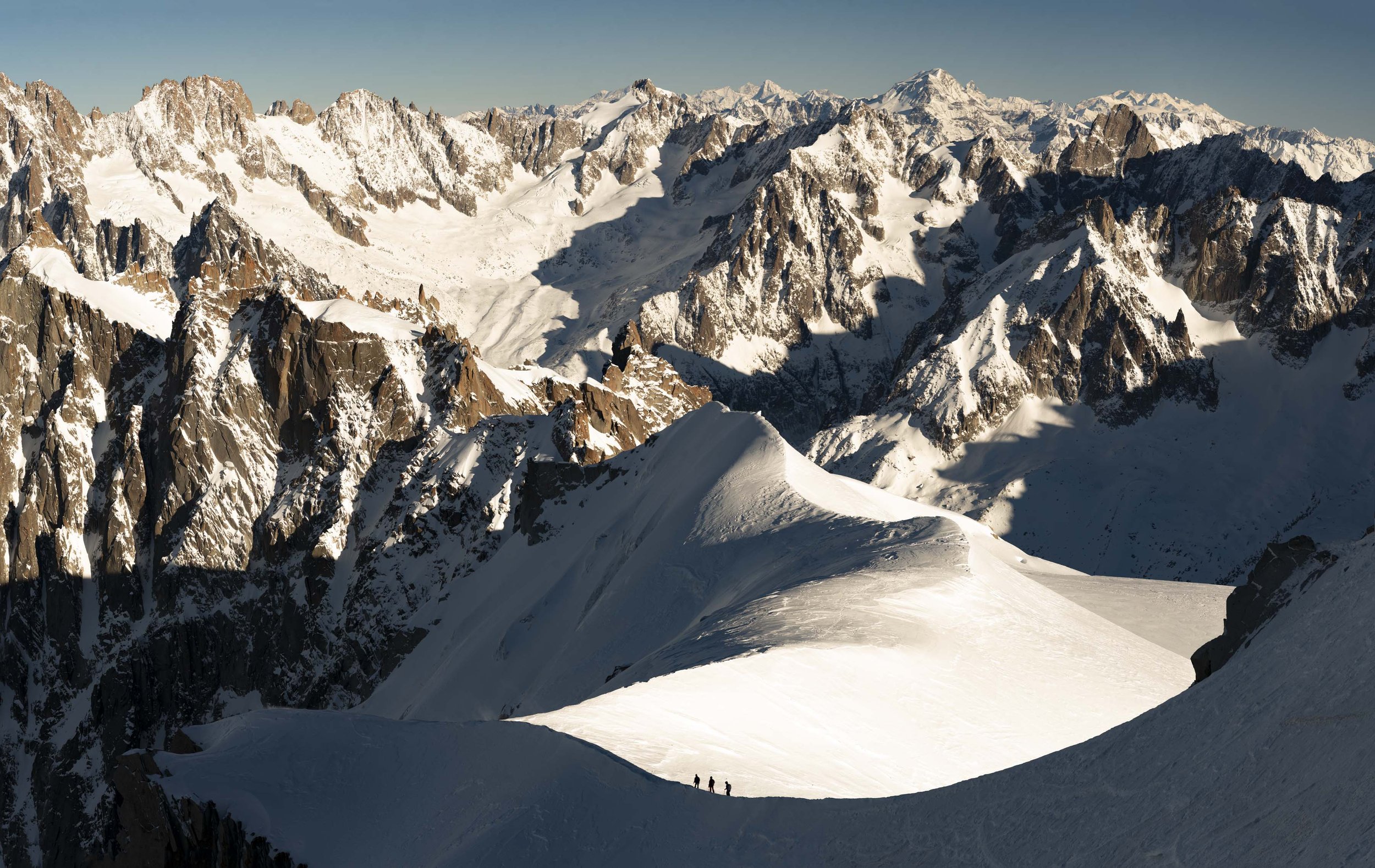
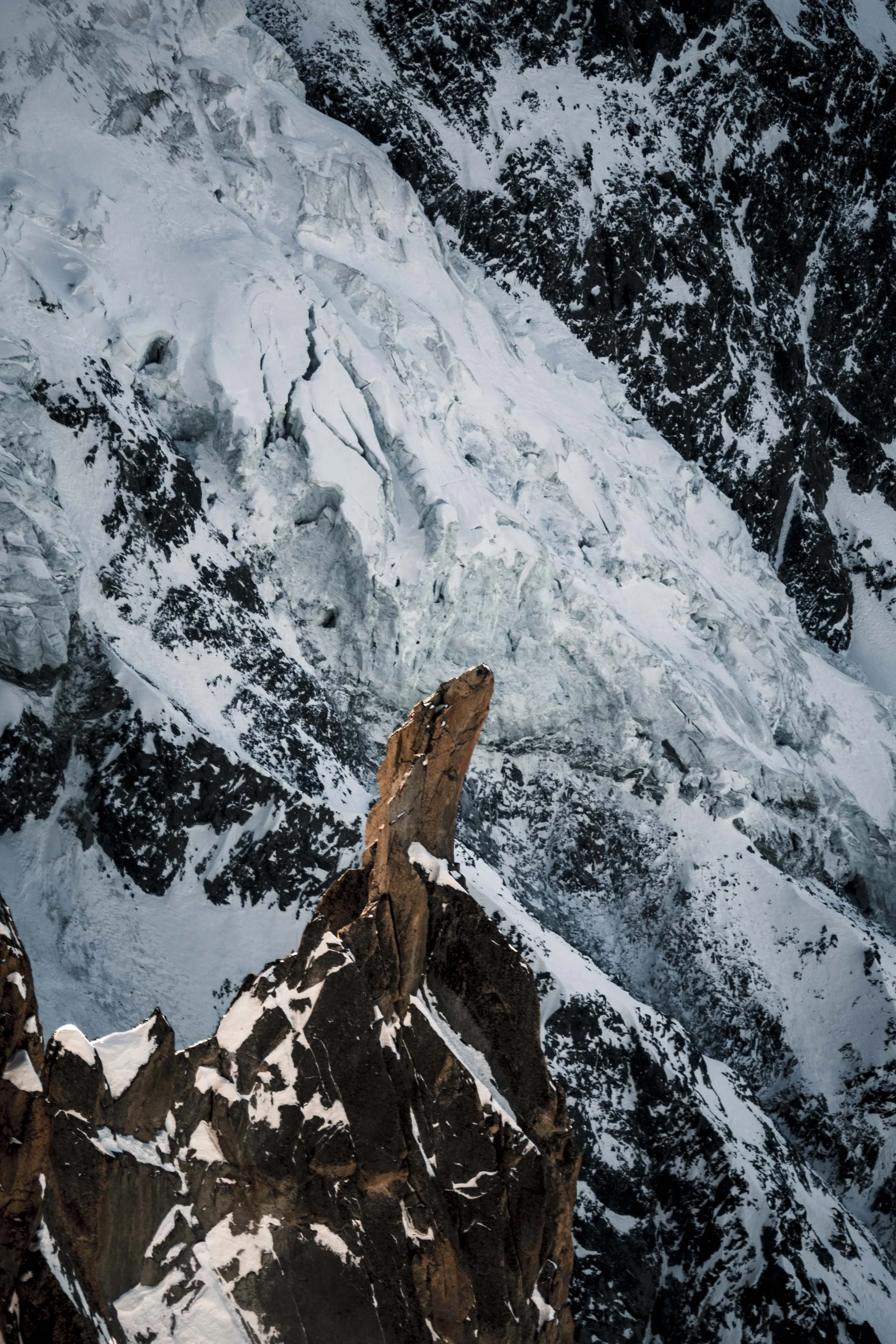
I carried a 28–70mm lens and a 100–400mm telephoto lens. It was my second visit to the Aiguille du Midi, but my first in winter. At nearly 4,000 meters, I was stunned by the winter landscape photography opportunities of vast glaciers, rugged snow‑capped peaks, and the ever-present Mont Blanc dominating the background.
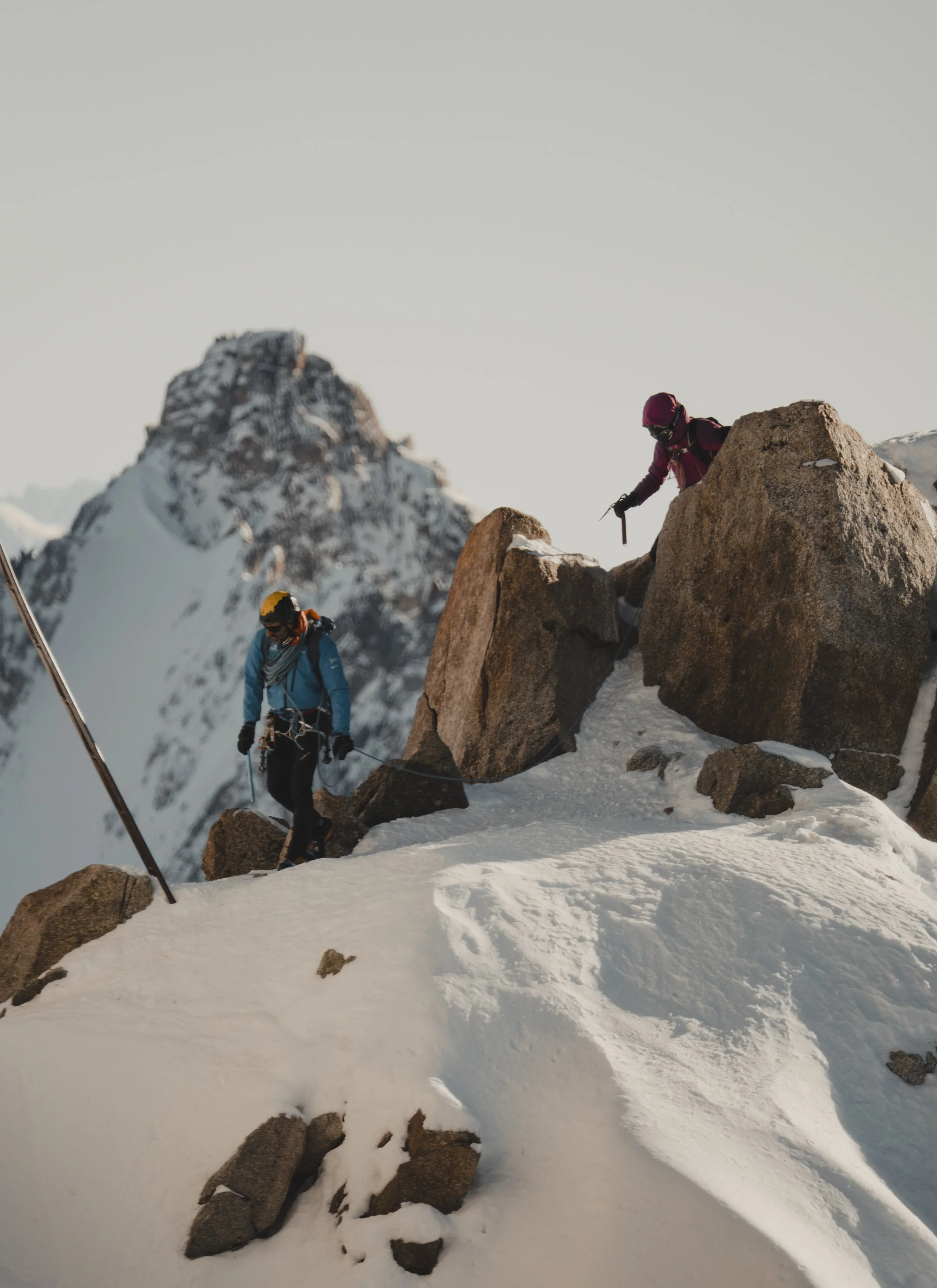
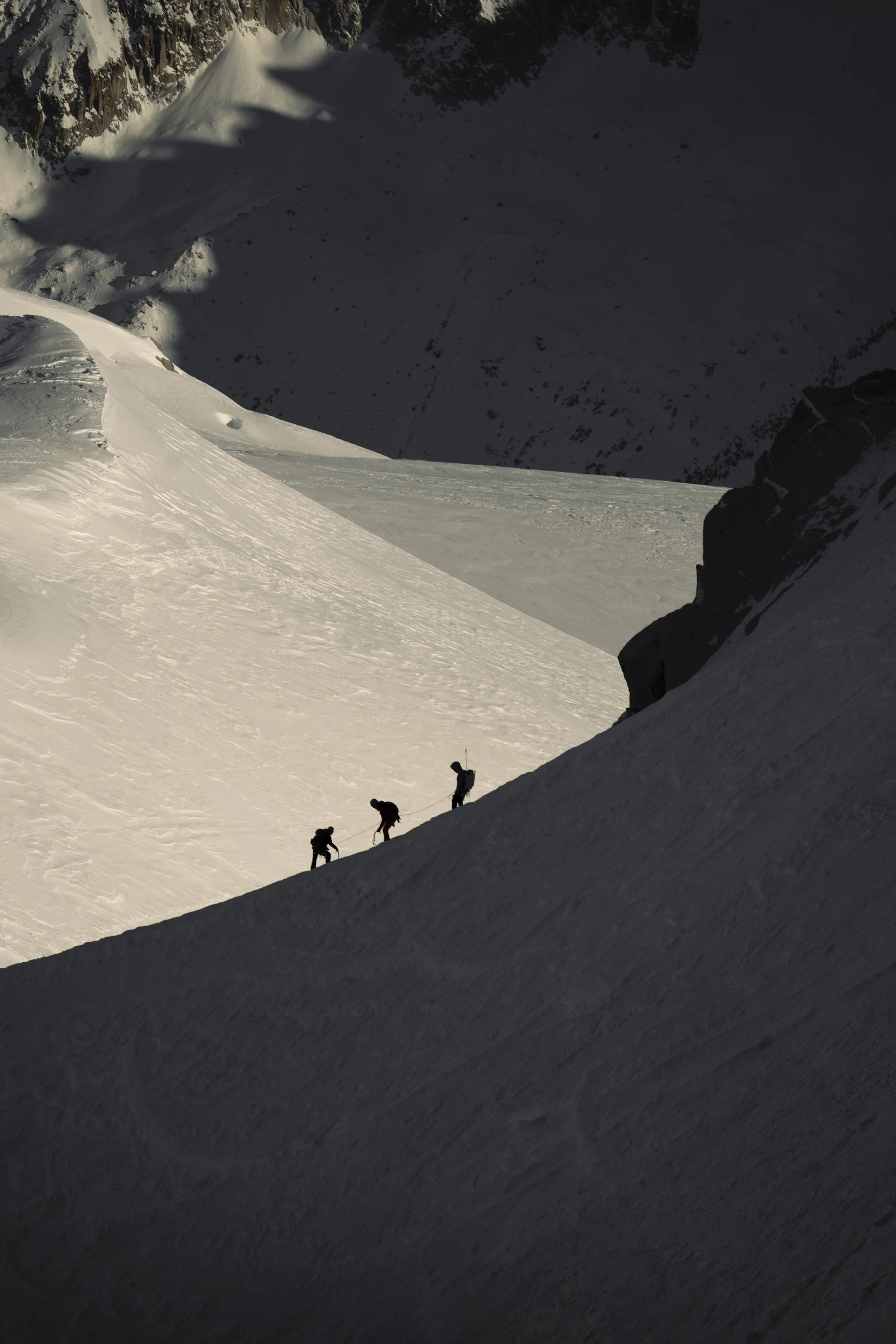
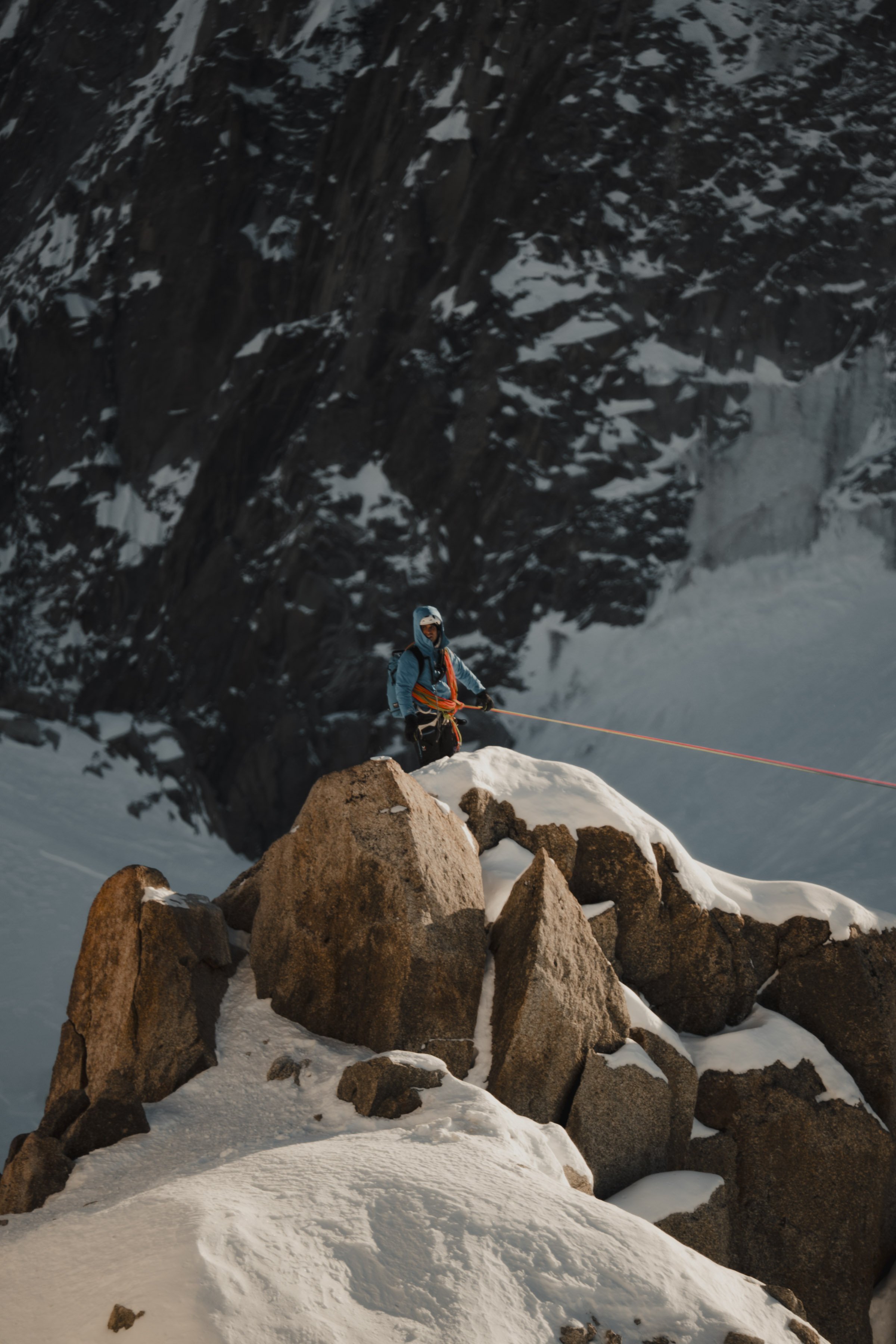
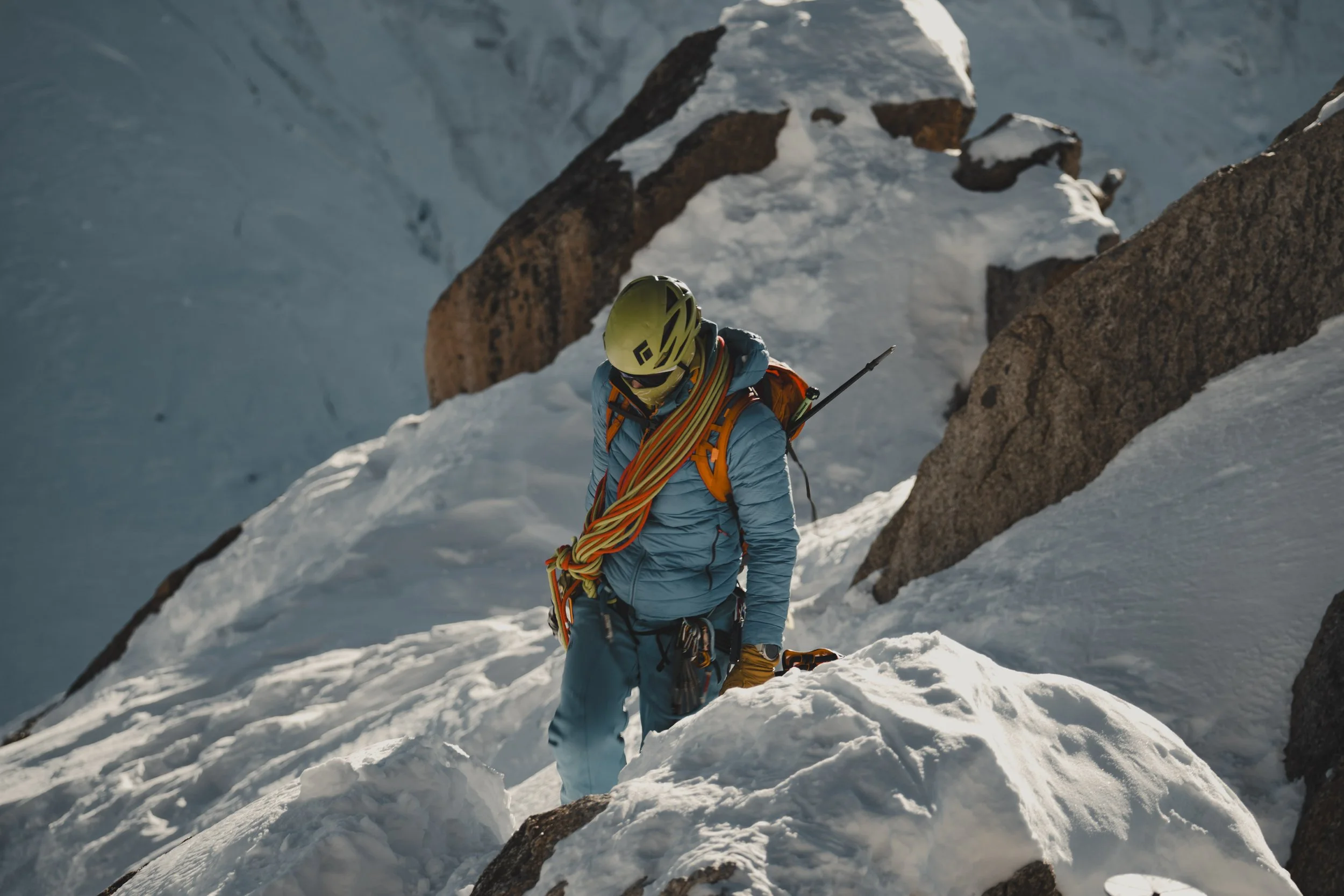
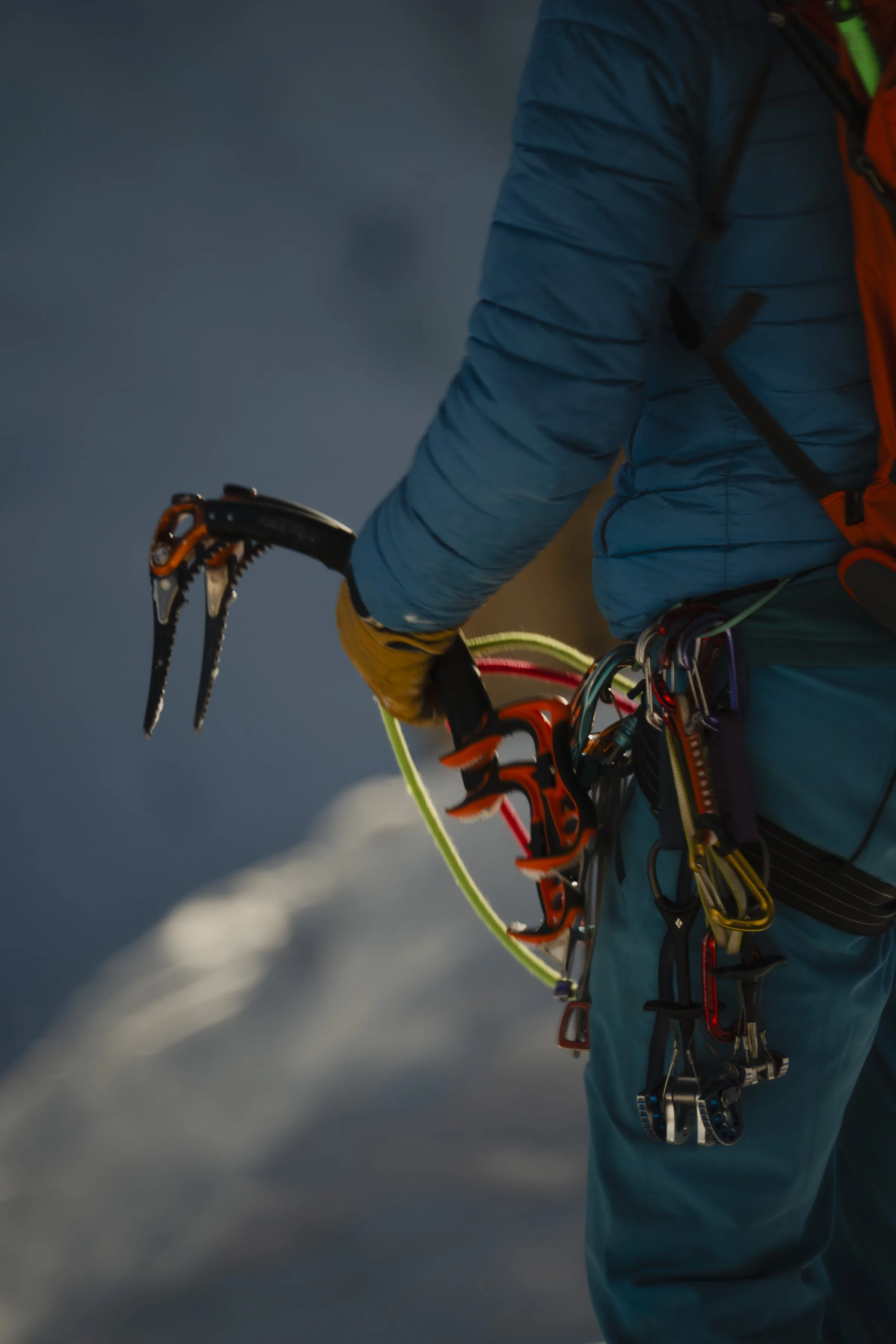
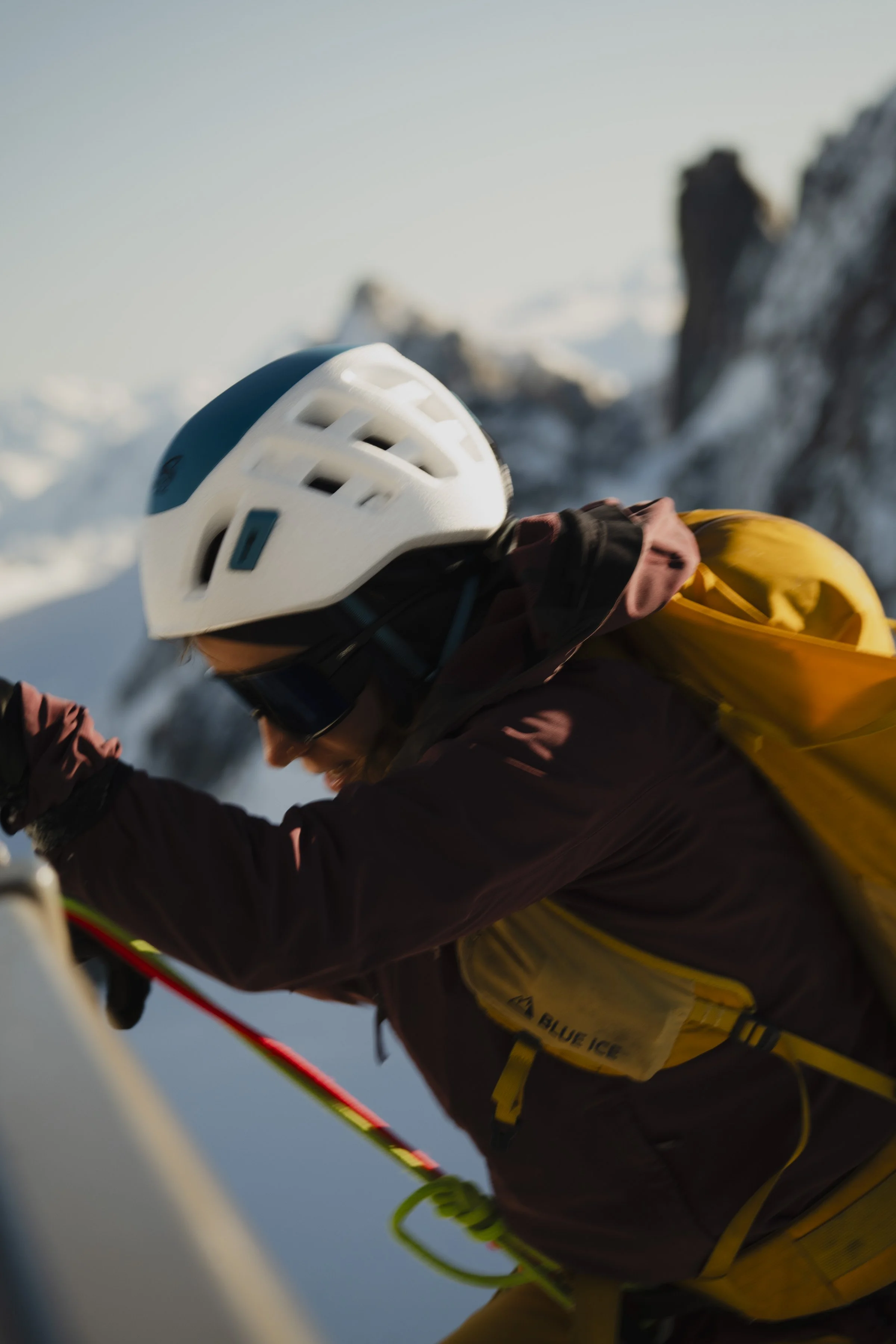
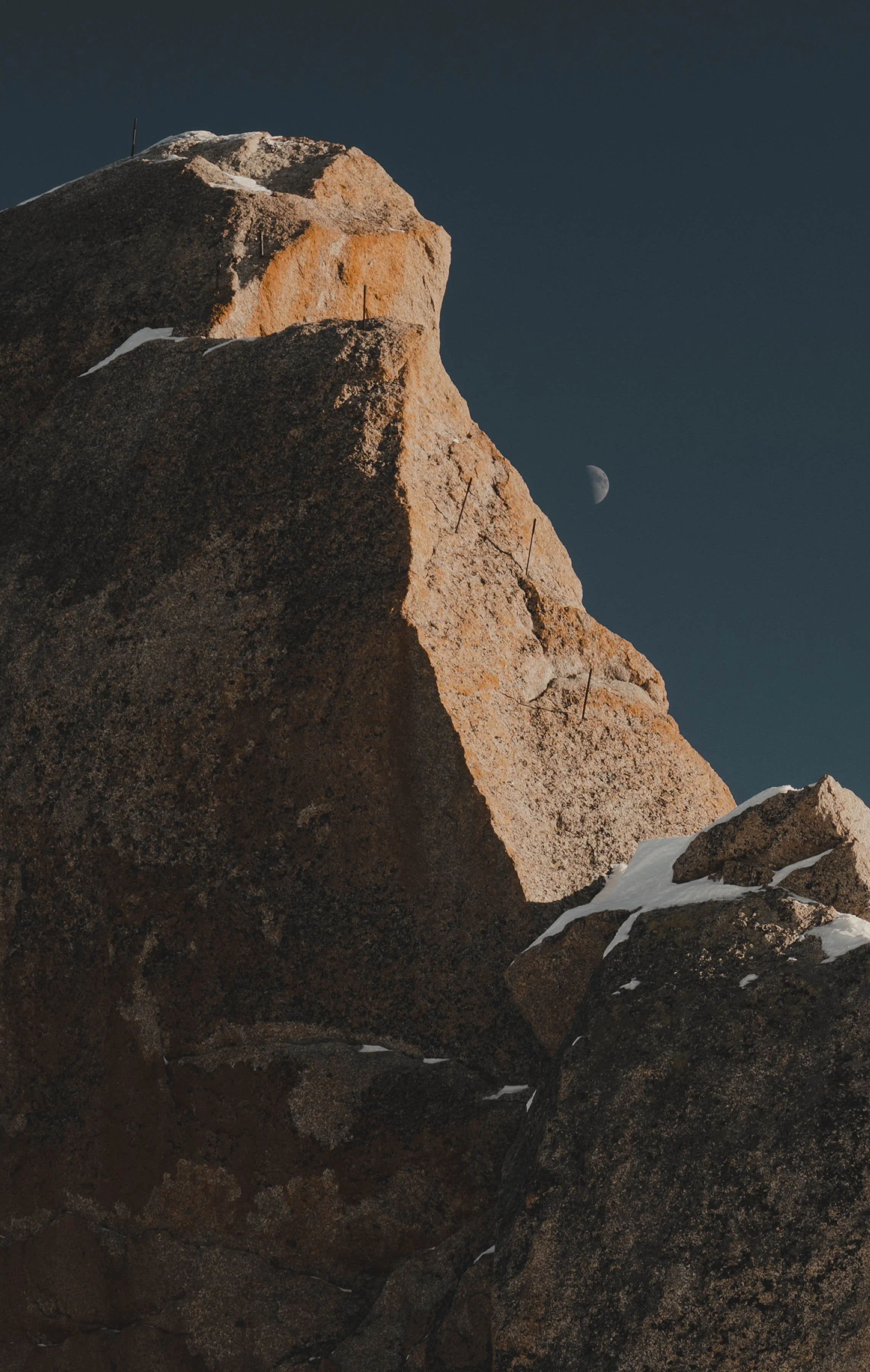
The telephoto lens proved invaluable for zooming in on the mountain peaks, glaciers, and rock formations, and for creating dramatic background compression with the climbers and mountaineers.
My photography recommendation is to spend time at each of the viewing platforms, then do a second round, staying longer at your favorite vantage points. One of the routes, called The Pipe, is a tunnel carved into the rock that lets you walk around the central peak, offering varied perspectives for landscape photography.
Another highlight on the way back is to stop at Plan de l’Aiguille (2,317m), the mid‑station, and hike down to Chamonix. The descent takes around six hours and is best avoided in winter, when the trail is buried under snow. In good conditions, though, the route offers unique landscape opportunities, including the option to fly a drone for aerial photography and videography of the area.
““The telephoto lens proved invaluable for zooming in on the mountain peaks, glaciers, and rock formations, and for creating dramatic background compression with the climbers and mountaineers.””
If you require any photography prints from this photo story please contact thomas@altposts.com